Professional World Tour Cycling Fan App
My client is a 3-year-old joint SPV created by the leading teams in World Tour Cycling to manage media, marketing, and race-generated data rights.
By the time I was invited in - but without the benefit of any specific UX design or research expertise - they’d already produced an MVP that presented to fans the proprietary intra-race performance data of climbing, sprinting and ‘grand tour’. The team I joined included a digital marketing lead, a UI/frontend developer and the external resource managing the data being ‘thrown’ from the bikes’ bespoke sensors.
The app worked accurately and updated after every race, but there was common agreement that the initial feedback they’d received from stakeholders and the close community that it was difficult to use.
I asked to perform a simple (non-judgemental) UI Audit as an entry point and I evolved this to become a UX audit requiring an understanding of the business objectives and anticipated users, then successfully promoted the use of a package of research and eventually invited to produce new wireframes and a mid-fidelity prototype for stakeholders to review.
This work all happened in late 2019 and was suspended in 2020 as the pandemic closed all the Tour and budgets were suspended. This work will be re-started after the race season is completed in 2021.
The client has requested that no visuals can be used publicly so this study is limited to my process.
The problem
Everyone who works in professional cycling is a passionate subject-area expert. Deep knowledge of the riders, teams, races, structures, history, systemic challenges, and the next season or two (near future) threats and opportunities was easy to find.
This product was not aimed at them.
As with all sports, the majority of fans follow their favourite athletes, their favourite team (based on geography or historical performance), the key leagues or perennial seasons and the ‘big one’ peak events (ie Tour de France) at a moderate level. Within that fan group, there are ultra-fans, those who live and breathe their fandom and are highly knowledgeable about the sport in wider sense. They follow rider careers, study form, know results of races great and small.
This product was aimed at them.
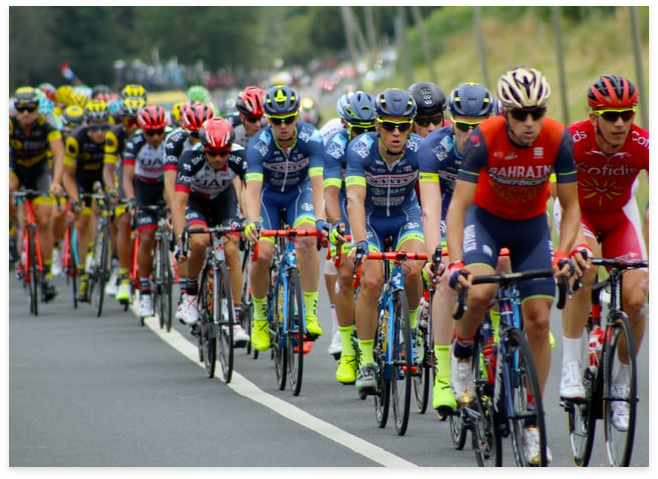
In general, even the experts agree that watching cycling is, for the most part, pretty boring, bar the rare moments of extreme excitement. The peloton sets off, spends hours covering large distances and arrives at waypoints that award those who used their skills and energy best to secure ‘stage’ kudos. Within the races, the most exciting parts are the climbs and the sprints, with the specialists stepping up alongside the all-rounders.
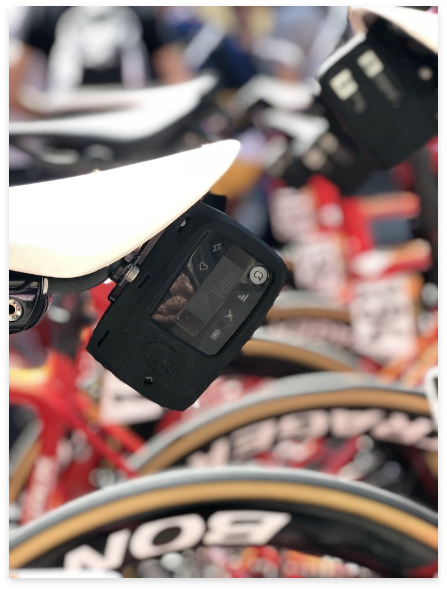
The app introduced the presentation of proprietary novel data produced by the riders via specialist hardware installed on each bike that produced relative ‘scores’ for each sprint, climb and a ‘grand tour’ score for the all-rounders.
The purpose of the app was to ‘start a conversation’ amongst the ultra-fans and beyond based on rider performances that were not surfaced in the regular race stats.
The MVP delivered the data in a way that was broadly unusable outside the insider-expert level.

Building Trust
My approach was to start humble, talk about things that already exist and largely empathise with the client’s own suspicions as to the flaws in the MVP. They didn’t need their noses rubbed in it with a bunch of designer jargon.
I’ve found that a UI audit, presented as an ‘even better if’ mindset opens minds that had been previously locked-down in the solution created. I recruited a few ultra-fans and recorded them experiencing the app for the first time and trying to make sense of it. Usability testing on a current product is handing out a bunch of tough love. Sports fans are always super keen to be heard by the organisers and can be trusted to have plenty of feedback on everything.
They loved the idea of it. They got lost in its execution.
Introducing the user journey mapping process.
Never too late to wind back and reset.
By widening the conversation and gaining permission to move back towards the beginning of the product design process from UI into UX also required some research with more ultras, this time talking about their fandom in discovery terms and how they add and value data from recent races and seasons to their mental repository and what new data would increase their fan experience over time.
I recruited through cycling clubs and posts on Facebook and performed in-person moderated sessions using my own portable ‘lab’.
This was also a good stage to get input from expert non-stakeholders such as media and the riders, so performed a handful of remote moderated sessions using Lookback as a tool.
These sessions flushed out the granular details that all contributed to the MVPs lack of usability. We workshopped the findings into a user journey artefact that could be represented to the senior stakeholders.
The good news was that the client’s belief that the novel data fed the fans’ hunger to understand the riders they worshipped was validated. The existing data of race times, positions, splits were cold summaries, failing to encapsulate the rivalries ‘in the field’.
The new data explained the race, informed opinion, created stories. Well, it could have.
The key finding* was that the fan could not find a way to retain and thereby care about the data when it was not contextualised. In the end, I proposed that each score needed a ‘layman’s’ unit of measurement that the fans could adopt into their knowledgeable conversations.
The complicated formula that creates the number were unknowable, but they could buy into new metrics that evoked statistical meaning named in honour of the historical riders who represented the peak of that speciality, for instance, an Impe after Lucien van Impe, known as the best climber of all time or Pelessier, the ancient father of the sprints.
By inviting the client’s data team to work on this specific task, this created a cohesion of purpose and a new understanding of the app’s purpose.
As we already knew that the ultra-fans are also personally competitive and invest heavily in their own bikes and accessories and like to be able to compare their performance with the professionals, the introduction of these units that go beyond the power-meters simple wattage looks to become how the client can build their brand reputation within the fanbase who currently see them as an operations company.
The IA of MVP2 follows this concept, aiming to ensure the fan starts at the metrics they understand and then see how the riders are performing. I’m sorry I can’t share in this forum as this is exciting stuff.
*The one I have permission to discuss.
Results
This is very much work-in-progress but my work saved a brilliant idea from dying at birth.